Materials, data and practices for buildings prepared for climate and energy challenges
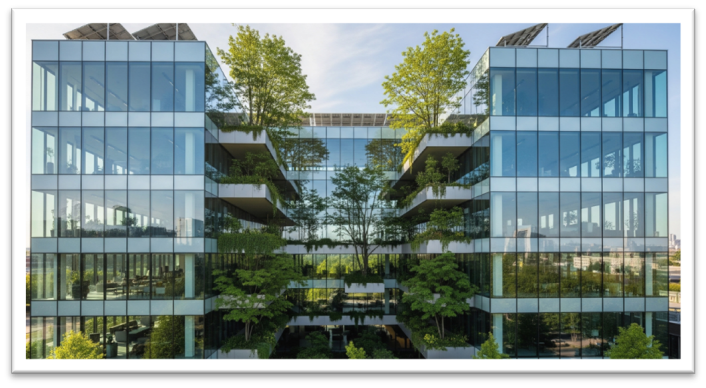
The transition to more sustainable and energy-efficient buildings requires a deep transformation of construction materials and processes.
Concrete, as a material essential to modern society, is evolving, to meet these challenges through the development of new-generation cements, the reduction of clinker incorporation, and the adoption of increasingly efficient, controlled, and monitored production processes. This evolution significantly reduces the carbon footprint, without compromising the structural performance and durability of the buildings.
Construction practices resilient to climate change
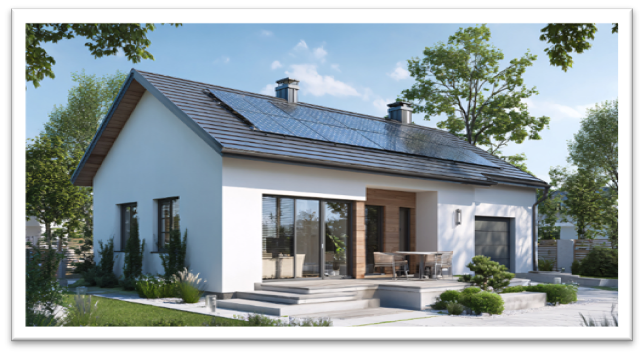
Climate change poses new challenges for infrastructures: more frequent extreme events, sharp temperature variations, fires, floods and storms. Sustainability also requires resilience.
Durable, safe and low-maintenance infrastructures reduce the need for reconstruction, extends the useful life of assets and minimise resource consumption over time. Materials with high durability, resistance to fire, water and earthquakes, as well as good thermal inertia, contribute to buildings that are more comfortable, efficient and prepared for a changing climate.
Circular economy in Construction
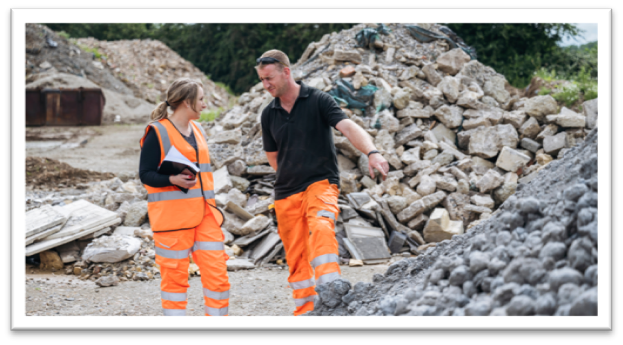
The circular economy is no longer a theoretical concept, but has become a concrete industrial practice. In the Construction sector, this approach translates into waste reduction, waste recovery and material reuse.
Concrete plays an important role here because:
• It can be 100% recyclable;
• It is compatible with the incorporation of recycled raw materials;
• It is capable of integrating construction and demolition waste transformed into Construction and Demolition Waste (CDW).
By closing production cycles and reducing dependence on virgin raw materials, the circular economy contributes to a more efficient, responsible construction, which aligns with European objectives.
Sustainable building materials and methods: the importance of data
The choice of sustainable materials cannot be based on perceptions or trends. It requires concrete data, technical criteria and comparative analyses.
Key decision factors include:
• The life cycle assessment of materials;
• Technical, environmental and economic performance;
• The impact on the energy efficiency of buildings over time.
Only with technical decisions is it possible to align sustainability, performance and economic viability.
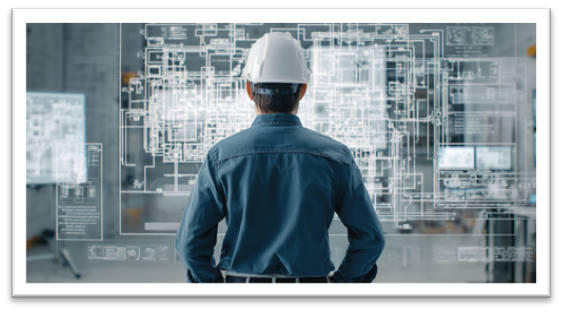
In short: it is possible to combine high levels of performance with sustainable practices.
Durability, efficiency, circularity and environmental responsibility are not opposing concepts. On the contrary, they reinforce each other when integrated from the design phase to the end of life of the infrastructures.
The GreenCircle project is committed to this vision: empowering the Construction sector to respond to Europe’s climate and economic challenges, by promoting sustainable practices based on knowledge and innovation.
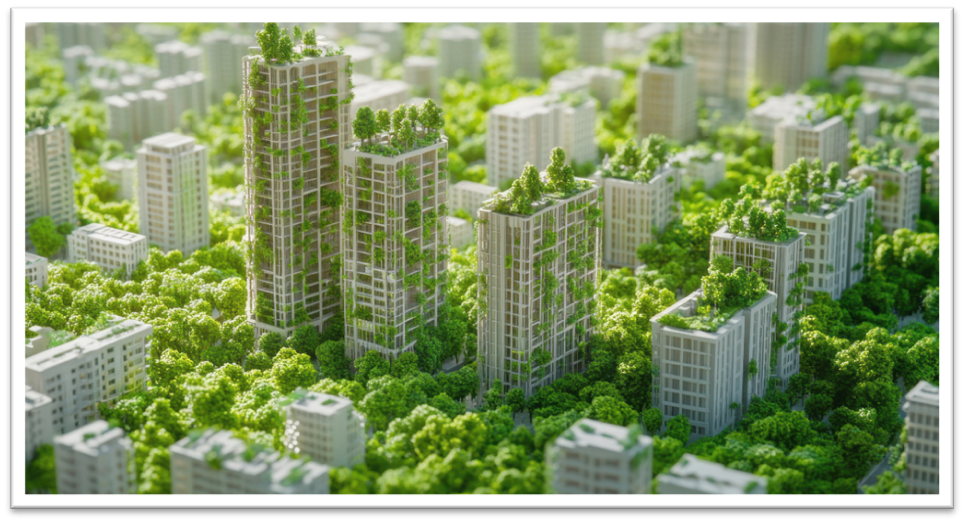
Future is not a promise. It is already under construction.